|
|
Bollettini Postali Mod. CH 8 Bis, Ter, F35, C/C 8003 - Software per Microsoft Windows |
|
|
Informativa sulla privacy e sull'uso dei cookie, condizioni generali di vendita e diritto di recesso |
Tel.
0755996655 |
|
|
Indice
dei programmi disponibili:
(FARE CLIC
SUL LINK DOWNLOAD RELATIVO AL SOFTWARE DA
SCARICARE)
|
Descrizione programmi:

Here's what that looks like in code:
By mastering these concepts—including the step-by-step initialization—you'll be well-prepared to handle any programming challenge involving 2D arrays, whether it's manipulating game boards, managing spreadsheet-like data, or building complex algorithms like the spiral array exercises in CodeHS units.
In CodeHS 8.1.5, you are often asked to initialize these with specific values or use nested loops to fill them. 2. Traversing 2D Arrays (Nested Loops)
In Java (the language typically used on CodeHS), you can visualize a 2D array like this:
return (double) total / (scores.length * scores[0].length);
The iterates through each row’s columns ( array[i].length ) to increment a counter.
The exercise presents you with a 2D array where the is set to 0 and needs to be updated with a specific value based on different rules for each row:
for (let i = 0; i < rows; i++) for (let j = 0; j < cols; j++) if (i === 0
Mastering is a significant step toward becoming a proficient Java programmer. It's your gateway to working with complex, multi-dimensional data—the kind of data used in everything from spreadsheet applications to image processing and game development.
To complete CodeHS 8.1.5, write a nested loop to calculate the total element count, then use a helper method to update the final index of each row with its specific required value. for the counting part? 8.3. 2D Arrays Summary — CSAwesome v1
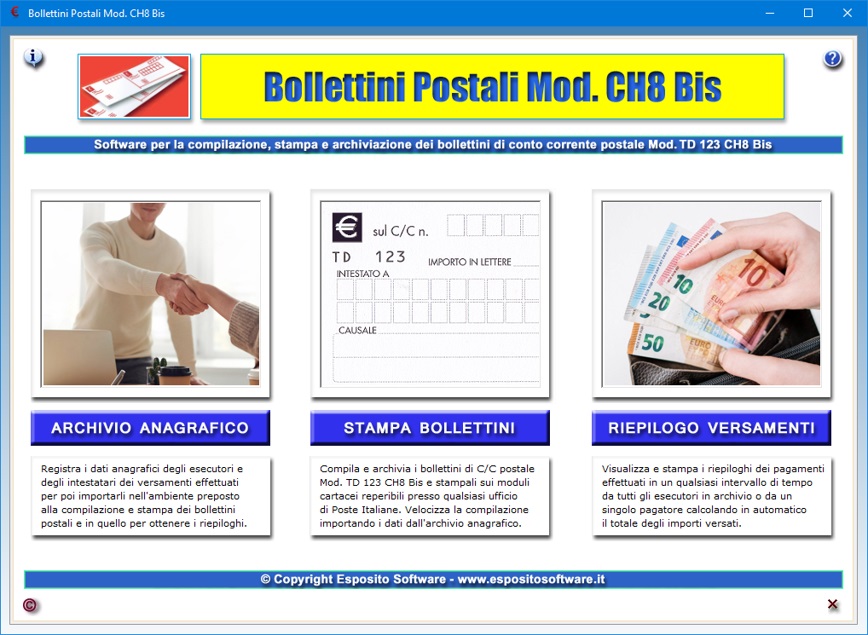
Bollettini
Postali Mod. CH8 Bis |
|
Download bollettini_postali_ch8_bis.zip (1,90 MB)
|
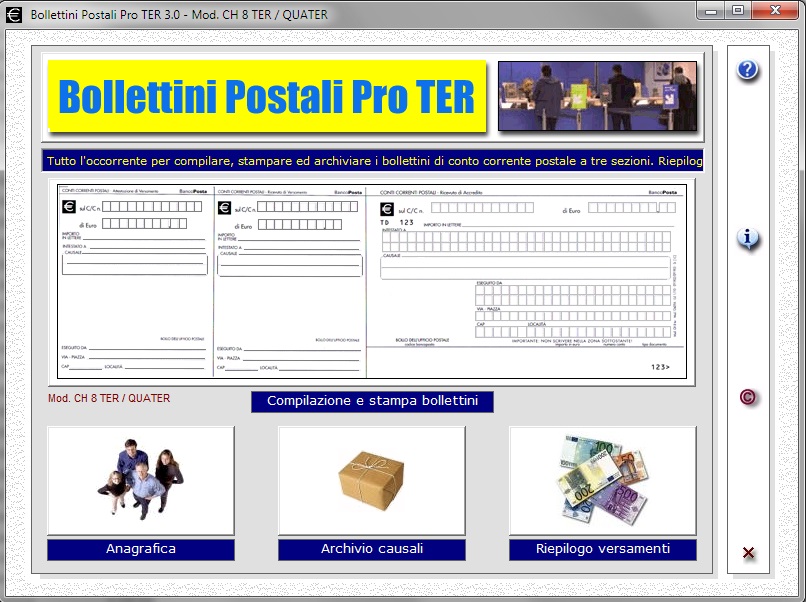
Bollettini
Postali Pro Mod. CH8 Ter |
|
Download bollettini_ter.zip (1,90 MB)
|
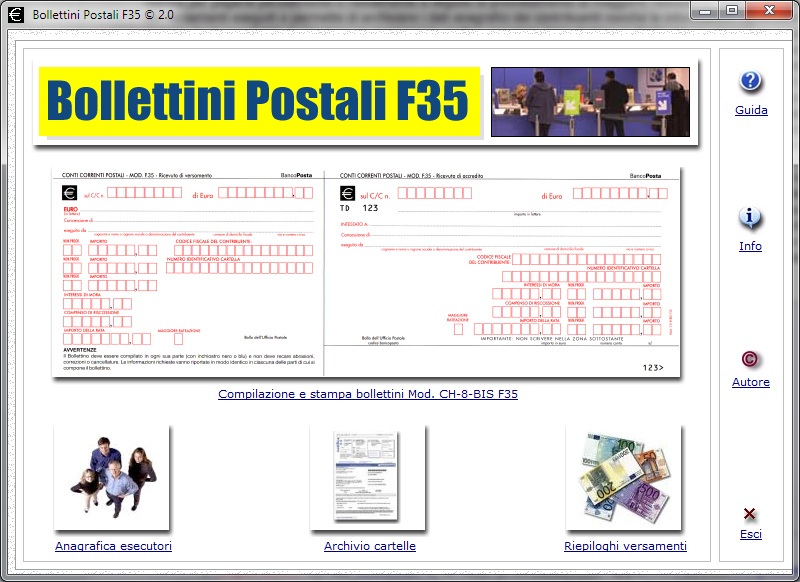
Bollettini
Postali Mod. F35 |
|
Download bollettini_f35.zip (2,20 MB)
|
Bollettini
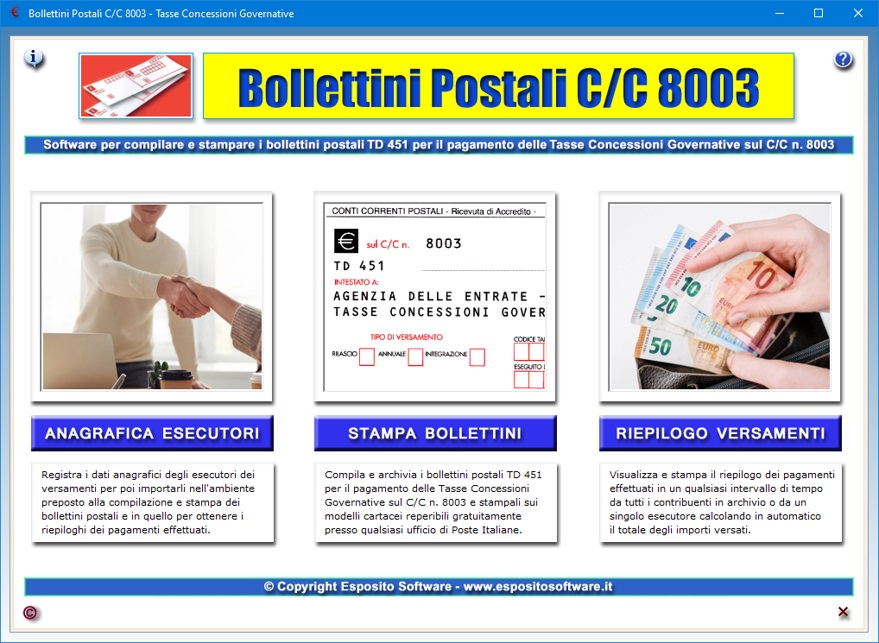
Postali Mod. TD 451 C/C 8003 |
|
Download bollettini_postali_8003.zip (4,42 MB)
|
Here's what that looks like in code:
By mastering these concepts—including the step-by-step initialization—you'll be well-prepared to handle any programming challenge involving 2D arrays, whether it's manipulating game boards, managing spreadsheet-like data, or building complex algorithms like the spiral array exercises in CodeHS units.
In CodeHS 8.1.5, you are often asked to initialize these with specific values or use nested loops to fill them. 2. Traversing 2D Arrays (Nested Loops)
In Java (the language typically used on CodeHS), you can visualize a 2D array like this:
return (double) total / (scores.length * scores[0].length);
The iterates through each row’s columns ( array[i].length ) to increment a counter.
The exercise presents you with a 2D array where the is set to 0 and needs to be updated with a specific value based on different rules for each row:
for (let i = 0; i < rows; i++) for (let j = 0; j < cols; j++) if (i === 0
Mastering is a significant step toward becoming a proficient Java programmer. It's your gateway to working with complex, multi-dimensional data—the kind of data used in everything from spreadsheet applications to image processing and game development.
To complete CodeHS 8.1.5, write a nested loop to calculate the total element count, then use a helper method to update the final index of each row with its specific required value. for the counting part? 8.3. 2D Arrays Summary — CSAwesome v1
Software compatibili con tutti i sistemi Microsoft Windows a 32 e 64 bit
|