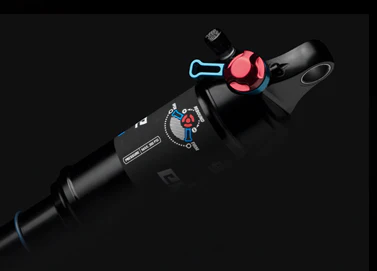
REDBULL RAMPAGE 2025
Robin Goomes 1st & Thomas Genon 2nd
It is impossible to discuss 3D without James Cameron. The original film single-handedly revitalized the industry. The depth of the jungle scenes in the first film and the volumetric water effects in the sequel remain the gold standard for the medium.
For complete historical lists and technical details, these platforms are the industry standards:
The phrase typically refers to a directory listing (often on a web server) or a curated database that catalogs 3D film titles, their formats, and sometimes direct file links. Such indexes are used by enthusiasts for archival, study, or playback on 3D-capable systems (e.g., VR headsets, 3D TVs, projectors). However, many public indexes operate in legal gray areas due to copyright concerns.
The golden age of 3D televisions may have passed, but 3D cinema is far from dead. The technology has found a vibrant new home in . Devices like the Meta Quest offer a superior 3D experience compared to older passive 3D TVs, with no crosstalk (ghosting) and perfect viewing angles. Platforms like Bigscreen allow you to watch 3D movies in a virtual theater with friends. While VR is a growing platform, some enthusiasts note that true 360° VR films are still relatively rare, and most movies are now shot and converted to 3D as an additional format rather than being specifically designed around the 3D effect. This shift means that while the method of viewing is changing, the demand for high-quality "indexes" of 3D content persists.
This public link is valid for 7 days and shares a thread, including any personal information you added. This link or copies made by others cannot be deleted. If you share with third parties, their policies apply. Can’t copy the link right now. Try again later.
An index should note whether a film utilizes a variable aspect ratio (like IMAX 3D releases) or a locked widescreen format. For instance, Life of Pi and Transformers: Age of Extinction dynamically shift aspect ratios to maximize the vertical scale of 3D effects. Type of 3D Presentation
The frame is split horizontally. Left eye on the left, right eye on the right. Half-SBS halves the horizontal resolution. VR Headsets, older 3D TVs, media players like Kodi.
The "index of 3D movies" is a concept rooted in file sharing and media archiving. While technically useful for personal collections, publicly accessible indexes are often legally problematic. Enthusiasts should prioritize legal acquisition methods and use structured private indexes with proper metadata to preserve the 3D movie experience without legal or cybersecurity risks.
A free application that allows you to stream your own local 3D video index into a virtual cinema environment. It supports both SBS and Over-Under formats perfectly.
An "Index of 3D Movies" typically refers to a comprehensive list or directory of films released in 3D formats (such as RealD 3D, IMAX 3D, or Blu-ray 3D). Depending on your needs, this text can serve as a website header, a library categorization, or a database introduction.
Malicious actors frequently label executable (.exe) files or compromised media scripts as movie files to infect unsuspecting systems.
















It is impossible to discuss 3D without James Cameron. The original film single-handedly revitalized the industry. The depth of the jungle scenes in the first film and the volumetric water effects in the sequel remain the gold standard for the medium.
For complete historical lists and technical details, these platforms are the industry standards:
The phrase typically refers to a directory listing (often on a web server) or a curated database that catalogs 3D film titles, their formats, and sometimes direct file links. Such indexes are used by enthusiasts for archival, study, or playback on 3D-capable systems (e.g., VR headsets, 3D TVs, projectors). However, many public indexes operate in legal gray areas due to copyright concerns.
The golden age of 3D televisions may have passed, but 3D cinema is far from dead. The technology has found a vibrant new home in . Devices like the Meta Quest offer a superior 3D experience compared to older passive 3D TVs, with no crosstalk (ghosting) and perfect viewing angles. Platforms like Bigscreen allow you to watch 3D movies in a virtual theater with friends. While VR is a growing platform, some enthusiasts note that true 360° VR films are still relatively rare, and most movies are now shot and converted to 3D as an additional format rather than being specifically designed around the 3D effect. This shift means that while the method of viewing is changing, the demand for high-quality "indexes" of 3D content persists.
This public link is valid for 7 days and shares a thread, including any personal information you added. This link or copies made by others cannot be deleted. If you share with third parties, their policies apply. Can’t copy the link right now. Try again later.
An index should note whether a film utilizes a variable aspect ratio (like IMAX 3D releases) or a locked widescreen format. For instance, Life of Pi and Transformers: Age of Extinction dynamically shift aspect ratios to maximize the vertical scale of 3D effects. Type of 3D Presentation
The frame is split horizontally. Left eye on the left, right eye on the right. Half-SBS halves the horizontal resolution. VR Headsets, older 3D TVs, media players like Kodi.
The "index of 3D movies" is a concept rooted in file sharing and media archiving. While technically useful for personal collections, publicly accessible indexes are often legally problematic. Enthusiasts should prioritize legal acquisition methods and use structured private indexes with proper metadata to preserve the 3D movie experience without legal or cybersecurity risks.
A free application that allows you to stream your own local 3D video index into a virtual cinema environment. It supports both SBS and Over-Under formats perfectly.
An "Index of 3D Movies" typically refers to a comprehensive list or directory of films released in 3D formats (such as RealD 3D, IMAX 3D, or Blu-ray 3D). Depending on your needs, this text can serve as a website header, a library categorization, or a database introduction.
Malicious actors frequently label executable (.exe) files or compromised media scripts as movie files to infect unsuspecting systems.